
Choosing seafood is easier when you know what is local, what is in season, and how it was handled. In the Pacific Northwest, menus and fish counters may feature salmon, Dungeness crab, oysters, halibut, and other regional catches, but availability changes throughout the year. A few direct questions can help you understand where a fish came from, whether it is fresh or previously frozen, and how its flavor and texture suit your meal.
Know the Regional Options
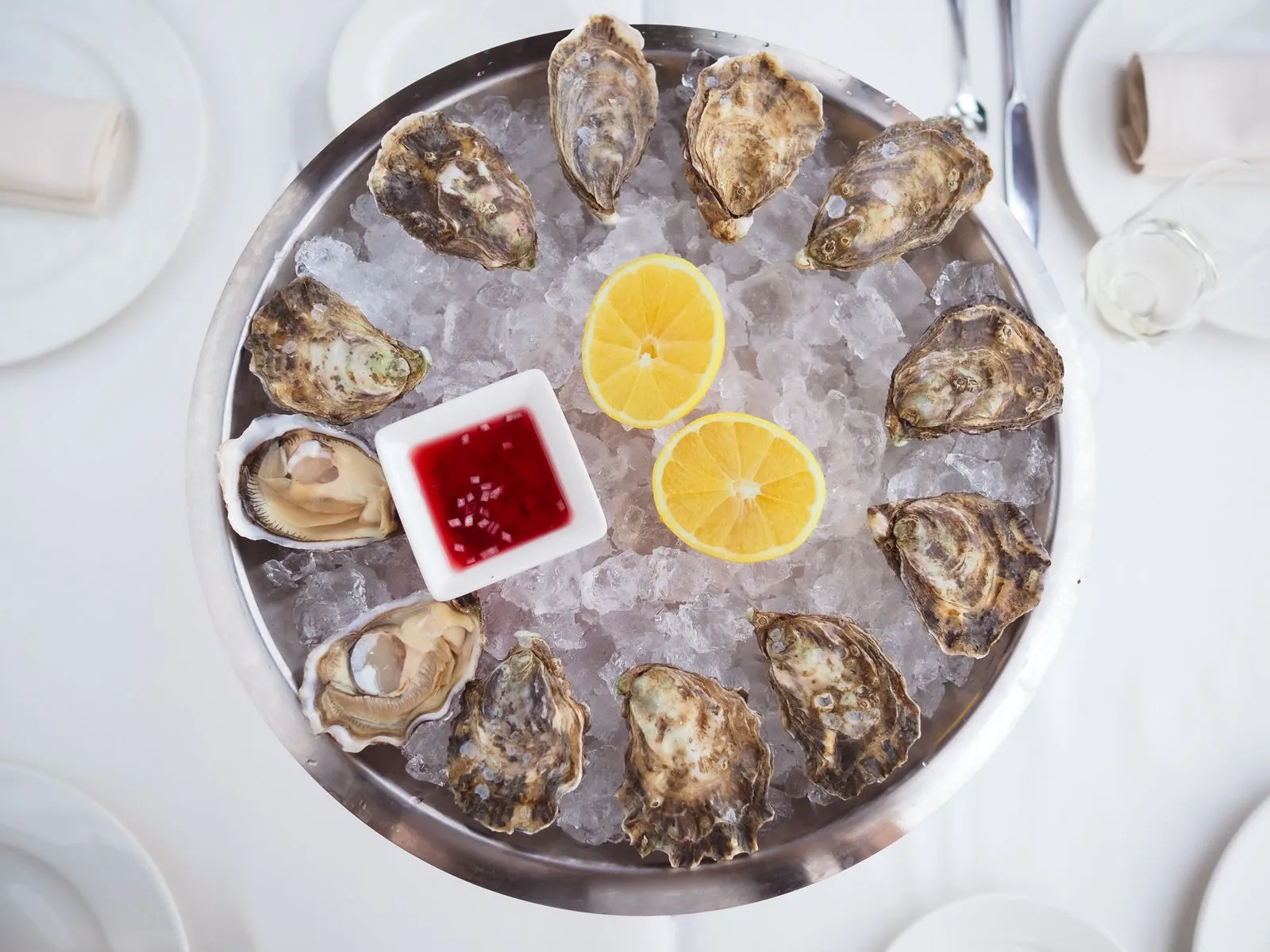
Salmon is a familiar regional choice, with varieties such as sockeye, coho, and Chinook differing in richness, color, and texture. Dungeness crab has sweet, tender meat, while halibut is mild and firm. Pacific oysters vary in flavor depending on where they were grown; some taste briny, while others have a sweeter or more mineral character.
You may also see rockfish, lingcod, sablefish, clams, and mussels. Names alone do not tell you everything: the species, harvest area, handling, and preparation all affect the final dish. If a menu lists a broad name such as “white fish,” ask which species is being served and whether it is a local catch.
Expect Seasonal Changes
Seafood availability shifts with fishing seasons, harvest rules, weather, and supply. Salmon runs vary by species and location; crab, shellfish, and groundfish also have changing seasons and local limits. A restaurant may offer one variety for a short period, then switch to another when the catch or supply changes.
Treat a seasonal menu as a snapshot, not a year-round guarantee. Ask what is especially good right now and whether the item is locally harvested, farmed, or brought in from another region. Frozen seafood can also be a high-quality option when it is frozen promptly and handled well, so “fresh” is not automatically the best measure of quality.
Ask Clear Questions
Start with the basics: “What species is this?” “Where was it harvested or raised?” and “Is it fresh or previously frozen?” You can also ask when it arrived and how the kitchen recommends preparing it. Staff may not know every detail, but clear answers can help you compare options and choose a dish that fits your preferences.
If you are buying whole fish or fillets, look for moist flesh that holds together and a clean, mild sea smell. Whole fish should have clear, full-looking eyes and shiny skin. Avoid fish with a strong sour or ammonia-like odor, dry edges, or flesh that looks dull. For shellfish, ask how it was stored and whether it is from an approved source.
Match Seafood to Your Meal
Choose based on the texture and flavor you enjoy. Firm halibut or lingcod can work well grilled or roasted; richer salmon and sablefish suit bold seasonings; delicate oysters are often best with simple accompaniments. For a milder taste, ask about rockfish or another lean white fish. Tell the server whether you prefer crisp, tender, rich, or mild, and ask for a preparation that fits.
If you have allergies, dietary restrictions, or concerns about raw seafood, mention them before ordering. Ask whether sauces, stocks, or shared cooking surfaces contain ingredients you need to avoid. For raw oysters or other uncooked seafood, ask about handling and choose according to your comfort level, especially if you have been advised to avoid raw products.
A good seafood choice comes down to knowing the species, checking what is available, and asking how it was sourced and handled. Use the menu or fish counter as a conversation, and choose the flavor and texture that suit you. When dining at Sound & Shore, ask the staff what regional seafood is available and how they recommend enjoying it.