
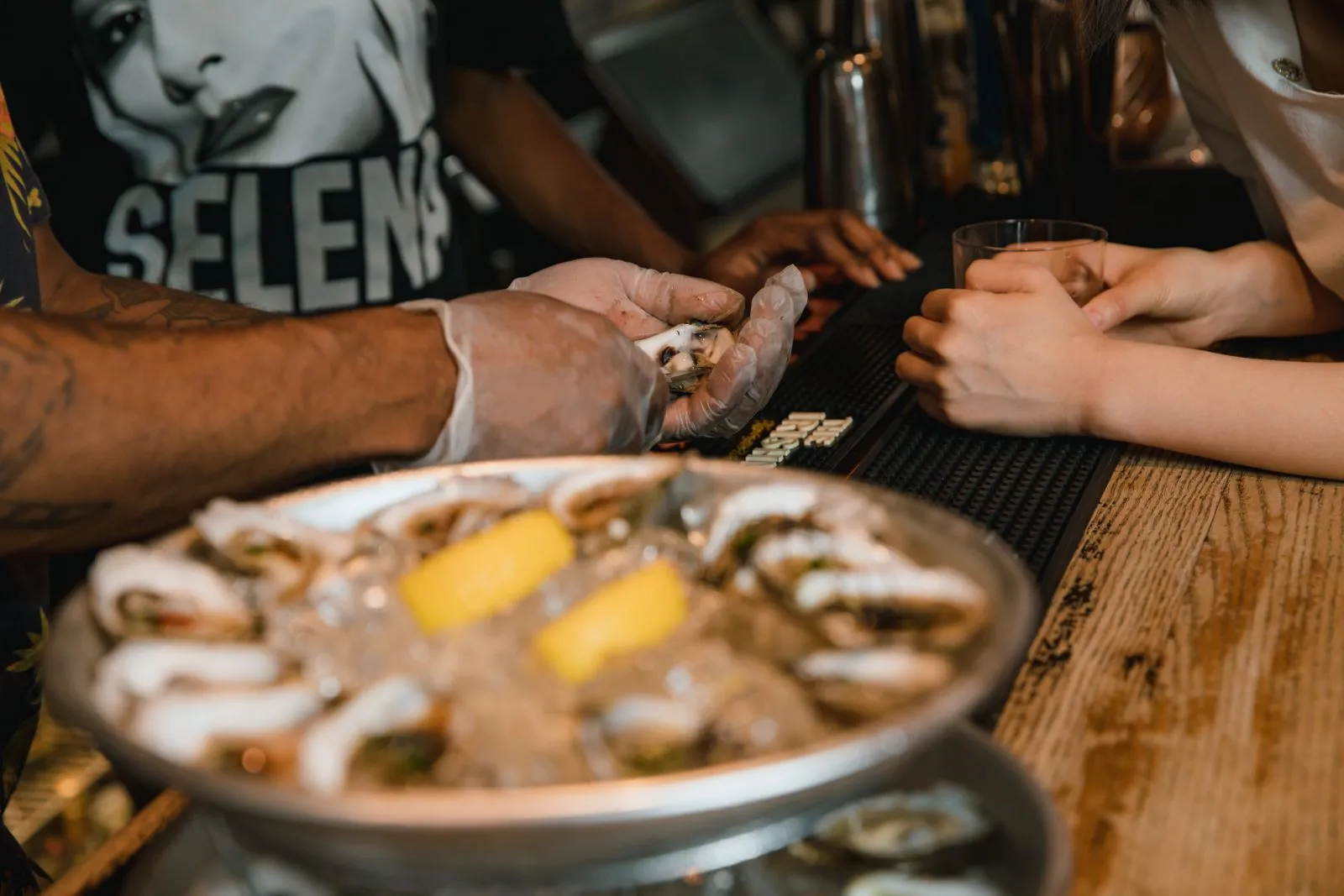
A meal at a Seattle seafood restaurant can be casual and quick or a longer dinner built around several courses. Menus often reflect what is available locally, but each restaurant has its own format, cooking styles, and sides. Knowing how to read the menu and what to ask can make ordering easier, especially if you have dietary needs or are coordinating a group. Here’s what to look for before you go and once you sit down.
How Menus Are Organized
Some menus group dishes by preparation, such as grilled, fried, roasted, or served raw. Others organize by course, with starters, entrees, and shared plates. You may also see a market fish or seasonal section; ask whether the listed fish is available that day and how the kitchen prepares it.
A dish name may not explain every ingredient or portion size. Check whether seafood is served as a full entree or as a smaller plate, and ask what comes with it. If you are deciding between options, a server can clarify which dishes are mild, rich, crisp, or suited to sharing.
Sides That Balance Seafood
Seafood often pairs well with simple sides that add texture or freshness. Depending on the menu, you might find roasted vegetables, greens, potatoes, rice, bread, or a grain salad. Citrus, herbs, and light sauces can brighten richer fish, while a hearty side can make a smaller portion feel more complete.
Look for the sides included with an entree before ordering extras. If you are sharing several dishes, ask which sides are large enough for the table and whether sauces arrive on the side. For a meal with fried seafood, a crisp salad or vegetables can offer contrast without adding another heavy dish.
Plan Around Your Group
Before choosing a restaurant or booking a table, consider your group’s timing, budget, and dietary needs. Call ahead about allergies, vegetarian options, accessibility, or accommodations for a larger party. Seafood kitchens may handle ingredients differently, so share allergy information clearly and confirm what the staff can safely prepare.
For a relaxed meal, decide whether you want a quick entree or time to share starters and sides. If the menu changes with availability, keep an open mind and ask about comparable alternatives. When dining with children or guests who prefer familiar food, check the menu online or contact the restaurant before arriving.
Make Ordering Easier
Ask a few focused questions rather than guessing from a dish title: What is the portion size? Is the fish cooked through? What sides are included? Can a sauce or garnish be left off? These details help you compare dishes and avoid ordering more than the table can comfortably finish.
If you have a firm schedule, mention it when you arrive and ask about expected timing before ordering multiple courses. For a weekend or a special occasion, check whether reservations are recommended and confirm the restaurant’s current hours. Policies and menus can change, so verify important details directly with the restaurant.
Seattle seafood menus can vary, but checking the preparation, included sides, and portion size makes it easier to choose a meal that fits your plans. Share dietary needs early, confirm timing if you’re on a schedule, and ask the staff when details are unclear. A quick look at the current menu can help you arrive ready to enjoy dinner.